

By: M. Farid W Makkulau
PALONTARAQ.ID – It is interesting to review Kabba’s position and position in the context of the Historical Power between Pangkajene and Marusu’. Kabba is currently a Village area within the scope of Minasate’ne District, Pangkep District.
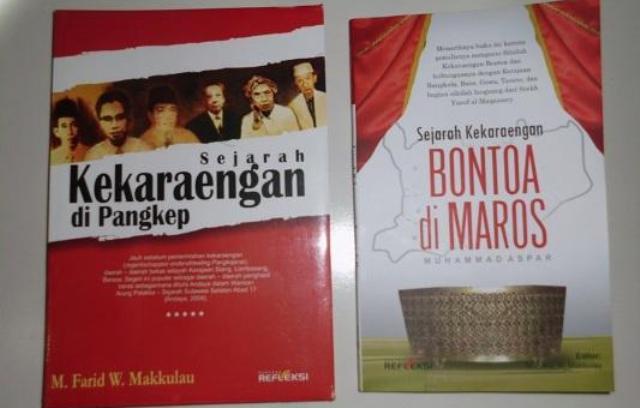
In the book “Sejarah Kekaraengan di Pangkep” (Pustaka Refleksi, 2008), it is mentioned that Village of Kabba at the beginning of the XVII Century entered the territory of Kekaraengan of Barasa, as the successor of the Kingdom Dynasty.
When Gowa conquered Barasa, Kanba’s village was not yet populated. Soon the kampong was resurrected for the efforts of a man named La Mandjorang or La Mannyarang.
On the Book of “Sejarah Kekaraengan di Pangkep” (Makkulau, 2008), it is mentioned that La Mannyarang is a descendant of the King of Jeneponto, he resides in Bontoa, with the approval of King Gowa. At first Bontoa only a kegallarangan, then just upgraded to kekaraengan.
There are several things that need to be seriously studied in relation to the above information (Makkulau, 2008) which quotes Sulawesi Magazine (Benny Syamsuddin, 1989) with the information mentioned in “Sejarah Kekaraengan Bontoa di Maros” (Aspar, 2011).
Information about Kampung Kabba is very little mentioned in the book “The History of Pangkep” in Chapter which discusses the “History of Pangkajene Power” while in the book “The History of Bontoa Power in Maros” is indeed the main focus, regarding the birth, growth and development of Bontoa and his relationship with other local powers in Maros (Toddo Limayya ri Marusu ‘).
First, a matter of history. I am more inclined to agree with the Information mentioned in the “Sejarah Kekaraengan Bontoa di Maros”(Aspar, 2011).
When compared between the 15th-17th century, the early days of making Bontoa (including Kabba) as a local territory founded by La Mannyarang.
The 17th century is a period of great dynamism of Bone Vs Gowa that led to the Makassar War, while the end of the XV century refers to the reign of King Gowa X, I Manriwagau Daeng Bonto Karaeng Lakiung Tunipallangga Ulaweng (1546-1565).
Secondly, the Origin of I Mannyarang or La Mandjorang. In Makkulau (2008) mentioned that La Mannyarang is the descendant of King Binamu, while Aspar (2011) mentions La Mannyarang is the descendant of King Bangkala.
Furthermore Aspar (2011) states that Bangkala is one of the territory of the Kingdom of Gowapada The period of Sombayya Ri Gowa Tunipallangga king Gowa Ke X is named I Manriwagau Daeng Bonto Karaeng Lakiung Tunipallangga Ulaweng (1546-1565) as recorded in Lontaraq Lineage of Karaeng Ujung Moncong where written name Karaeng Labbua Talibannanna Son of Atinna Bangkala who is married to Karaeng Ujung muzzle. Third, Position of Kabba and Bontoa.
In Makkulau (2008), it is said that Kampung Kabbadidirikan by La Mandjorang or La Mannyarang together with the People of Binamu scored the rice fields and made new settlements in the former empty village.
At the time of establishment Ka’ba village was under the rule of La Mandjorang, which then entered into the territory of Bontowa excitement until Year 1824.
Then Village of Ka’ba with some other kampung, like BanggaE, Japing-japing, Soreang, Pareang, Kalibone, Taraweang-Kabba, Galungboko, Udjung, Panaikang, Biringere, Tuarang, Massi, Djannae ‘and Pangkeng Sakiang are separated from Bontoa and combined into a kesullewatangan (Sullewatangchap) named Ka’ba or Wera.

While Aspar (2011) mentions two versions of Bontoa’s position on the arrival of La Manyyarang in Bontoa at the end of the XV century.
First, Bontoa was in the territory of the Marusu kingdom before it was opened by I Mannyarang, Son of Bangkala King of Jene’ponto who became the king of Gowa, but in Lontaraq, the History of Karaeng’s Loe Ri Marusu, didn’t place Bontoa as one of the Karaeng Marusu’ territories as recorded in Lontaraq written I Sahban Daeng Masikki 1889 belongs to Andi Fachry Makkassau as well as by W Cummings in Repertory The Histories Of Maros Chronicle.
In Lontara it is explained that on the initiative of Karaeng Marusu Ke X, La Mamma Daeng Marewa (1723-1779) so that formed a bond between the kings who are around the territory of the Marusu Kingdom in a philosophy Ma’bulo Sibatang then known by the name of Toddo Limayya Ri Marusu namely Marusu, Simbang, Bontoa, Tanralili and Raya.
While in the early days of the establishment of Bontoa, Aspar (2011) suspected the expedition of La Mannyarang associated with the command of King Gowa to expand his territory or personally who has a very close kinship with King Gowa.
From the developed speech narration, it was learned that La Mannyarang Expedition expands the task of helping Gowa expand the dominating territory, to the northern seaboard of the Marusu Empire — which later gave the name Panaikang, Paqrasangan Beru and Panjallingan — and saw the plain rather the height he calls Bonto or Bontoa.
The arrival of La Mannyarang is said to be using a full-screen sailboat with the attributes of the greatness of the Gowa kingdom, as noted the similarity of the name of the region with the place of origin of La Mannyarang in Bangkala (Jeneponto), there are also villages Panaikang, Paqrasangan Beru and Bontoa. King Gowa then appointed La Mannyarang as Gallarang Bontoa and was given Cinde (flag) as a symbol of the Greatness and Power of Karaeng Bontoa from King Gowa.
Furthermore, it is interesting to note that JAB van de Broor in his writings on Randji genealogy of Regent Van Bontoa (1928) now laid off by the Family of Muhammad Aspar that Bontoa has become one of Marusu Kingdom territory until finally La Mannyarang came as King Gowa’s envoy to expand his territory so that Karaeng Marusu invited La Mannyarang to open a new area which he later named Bontoa.
Randji The lineage held by Muhammad Aspar as the last Karaeng Bontoa descendant also records the persistence of the Generally I Mannyarang noble family that is difficult or always troublesome (not cooperating) with the Dutch East Indies Government so that Karaeng Bontoa from La Mannyarang Generation is dismissed and then the Dutch appoint a new ruler as Hoof Bontoa District.
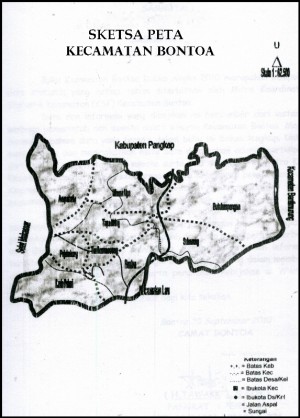
The question then is Is Kabba already a part of Bontoa, an area founded by La Mannyarang the blessing of King Gowa or since the beginning Kabba is a separate territory within the scope of the power teritory of Barasa and Siang, which later became the territory of Gowa, merging with kegallarangan of Bontoa, remembering that when La Mannyarang came to Bontoa, Kampong Kabba was not inhabited and both day and Barasa had become the dominant territory of Gowa by ‘kawin mawin’ politics.
The next question to be explored is Kabba’s position against Barasa (Pangkajene) as the successor of the Day Dynasty and his position on Bontoa (Marusu ‘).
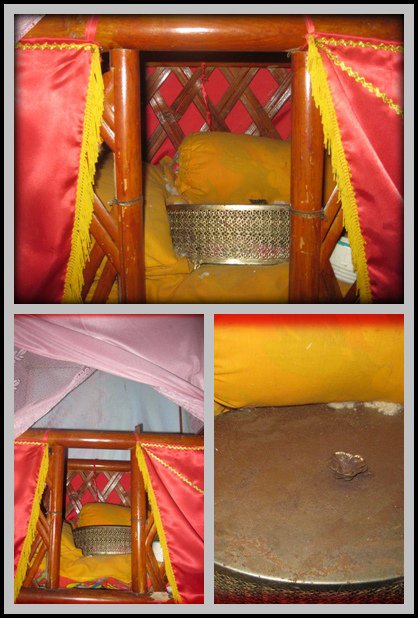
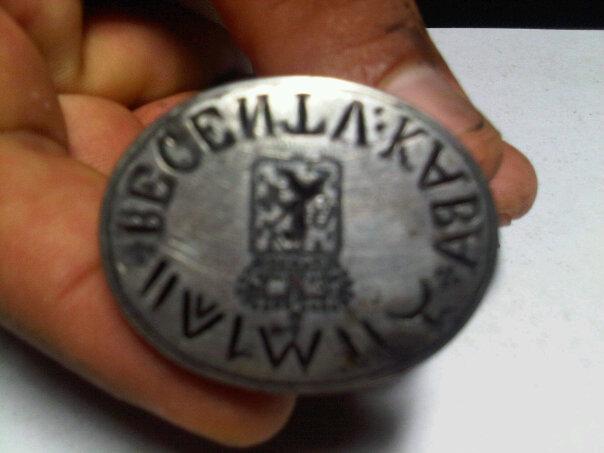
Two historical remains of Kabba today in the form of Stamps and War Clothes (currently housed by the H. Hanafi Rahim family) are still very unpredictable in their existence and the purpose of their existence as “a unit of independent political territory”, both within the Barasa region or in the Bontoa region.
It’s very important to get a further study to know also the strategy and politics of expansion of Gowa as well as the position of other local power against Gowa before and after the War of Makassar (1667).
A little note that I got from the article of Benny Syamsuddin (Sulawesi Magazine, 1989 in Makkulau, 2008) mentions that After 1874, Kabba is a territory of Pangkajene prince led by a Sullewatang named La Sailile Daeng Mananring quit with respect from his post, then Sullewatang’s post in Kabba was abandoned and the 15 Kampung in the region were incorporated in Kekaraengan of Pangkajene.
At first Kabba people did not approve of the merger, but when Andi Djayalangkara Daeng Sitaba became Karaeng or Regent in Pangkajene people’s objections can be appeased in Year 1893.
This is realized because of the marriage Andi Djayalangkara with Indo Ma’daung, then when her husband died, he held Petta WaluE Karaeng Lekoboddong, a noble Ka’ba.
From his marriage, several children were born: Andi Dongkang Daeng Massikki karaeng Mandalle, Andi Mauraga Daeng Malliungang (Karaeng of Pangkajene), Andi Mattorangpage Daeng Mamangung (Bestuur Assistent Kl. I and Karaeng of Pangkajene), Andi Hasan Daeng Pawawoi and Andi Kanna Daeng Situdju. (Makkulau, 2008). (*)

